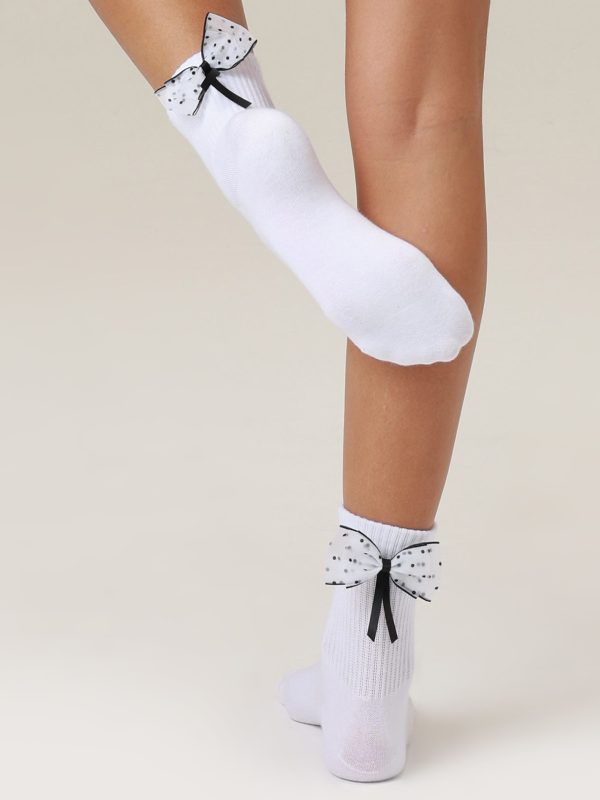

If you are looking for comfortable socks for cooler weather, you may wonder: what are crew socks? Crew socks extend above the ankle and usually reach toward the lower or mid-calf area. They offer more coverage than ankle socks while remaining shorter than knee-high socks.
Because of their practical length, crew socks are suitable for everyday outfits, casual boots, sneakers, and relaxing at home. The right material, cushioning, and fit can also make a noticeable difference during fall and winter.
What Are Crew Socks?
A crew sock is a mid-length sock that covers the foot, ankle, and part of the lower calf. Unlike ankle socks, which stop at or just below the ankle bone, crew socks provide additional coverage between the shoe and the lower leg.
This extra coverage can help protect the skin from rubbing against the edge of a shoe or boot. It can also create a comfortable layer between your legs and cool air, especially when worn with trousers, jeans, or casual dresses.
Crew socks are available in different materials, thicknesses, and designs. Some are lightweight for everyday wear, while others include cushioning or warmer fiber blends for colder seasons.
How Tall Are Crew Socks?
One common question is: how tall are crew socks? There is no single measurement that applies to every crew sock. The height can vary depending on the brand, size, design, and how the sock is worn.
In general, crew socks rise several inches above the ankle and reach toward the lower to mid-calf area. They usually stop below the widest part of the calf. This makes them high enough to provide useful leg coverage without extending as far as knee-high socks.
The best way to understand the fit of a specific pair is to check the product measurements when they are available. If exact measurements are not listed, look at the product photos and description to determine where the cuff sits on the leg.
Crew Socks vs. Ankle Socks and Knee-High Socks
Different sock lengths are designed for different levels of coverage and footwear.
| Sock type | Coverage | Typical use | Shoe compatibility | Best season |
|---|---|---|---|---|
| Crew socks | Above the ankle to the lower or mid-calf | Everyday wear and casual outfits | Sneakers, casual boots, and everyday shoes | Fall, winter, and spring |
| Ankle socks | At or just below the ankle | Low-profile shoes and warm-weather outfits | Sneakers, slip-ons, and casual shoes | Spring and summer |
| Knee-high socks | Up to just below the knee | Extra leg coverage and layering | Tall boots and some dresses or skirts | Fall and winter |
| Thermal boot socks | Usually above the ankle, depending on the design | Cold-weather comfort and casual boot wear | Casual boots and everyday footwear | Fall and winter |
The main difference between crew socks and ankle socks is coverage. Ankle socks can be a good choice when you want a low-profile look, but they leave more of the lower leg exposed. Crew socks provide a more balanced option for people who want additional coverage without wearing a tall sock.
Sock warmth also depends on more than height. Material, thickness, cushioning, and the fit inside the shoe all affect how comfortable the socks feel.
Are Crew Socks Good for Winter?
Yes, crew socks can be a practical choice for winter when they have a suitable material blend and enough cushioning. Their higher coverage helps create a comfortable layer above the shoe and around the lower leg.
However, not every crew sock is designed for cold weather. A lightweight crew sock may be better for mild temperatures, while a cushioned or thermal design may be more comfortable in colder conditions.
When choosing winter socks, consider:
- The amount of cushioning
- The fiber blend
- The fit around the foot and calf
- Whether the socks fit comfortably inside your shoes
- Whether the cuff stays in place without feeling restrictive
A thick sock is not automatically the warmest option. If it makes your boots too tight, it can reduce comfort and leave less room for your toes. The best winter sock should provide warmth while still allowing your footwear to fit properly.
What Material Is Suitable for Warm Everyday Socks?
The best material depends on your priorities, such as warmth, softness, stretch, durability, and breathability. Many everyday winter socks use a blend of different fibers instead of relying on one material.
Acrylic
Acrylic is commonly used in cold-weather socks because it can provide a warm and soft feel. It is also lightweight and can help the sock maintain its shape.
Combed Cotton
Combed cotton is known for its smooth feel and everyday comfort. It can make a sock feel softer against the skin and is often used in casual styles.
Polyester
Polyester can contribute to durability and help the sock maintain its structure through regular wear.
Spandex
Spandex adds stretch to the fabric. A small amount can help the sock fit more closely around the foot and calf while supporting a comfortable fit.
For everyday winter use, a balanced blend can provide a practical combination of softness, warmth, durability, and stretch.
Can You Wear Crew Socks With Boots?
Yes, crew socks are commonly worn with casual boots. Their height can help cover the area between the top of the shoe and the lower leg, reducing direct contact between the skin and the boot.
When wearing crew socks with boots, pay attention to the overall fit. The socks should sit smoothly against the foot and leg without excessive bunching. They should also leave enough room inside the boots for comfortable movement.
Choose socks with:
- A cuff that stays in place
- Enough stretch for a comfortable fit
- Cushioning suited to the space inside your boots
- Reinforcement in high-friction areas
- A thickness that does not make the footwear feel tight
For casual daily wear, crew socks can also be paired with sneakers, trousers, jeans, and relaxed home outfits.
How Should Winter Socks Fit Inside Boots?
Winter socks should feel comfortably snug, but they should not squeeze your feet or restrict movement.
Avoid excessive fabric around the heel or ankle, as bunching can cause discomfort during walking. At the same time, your toes should have enough room to move naturally. If thick socks make your boots feel tight, the footwear may not be suitable for that sock thickness.
The cuff should also stay in place during normal activity. A double-layer cuff can be useful for people who prefer a more secure feel around the lower leg.
Closemate DT10 Women’s Thermal Crew Socks
For everyday fall and winter wear, the Closemate DT10 Women’s Winter Thermal Casual Boot Socks offer above-ankle coverage that reaches toward the lower to mid-calf area. The exact height may vary depending on the wearer and how the socks are worn.
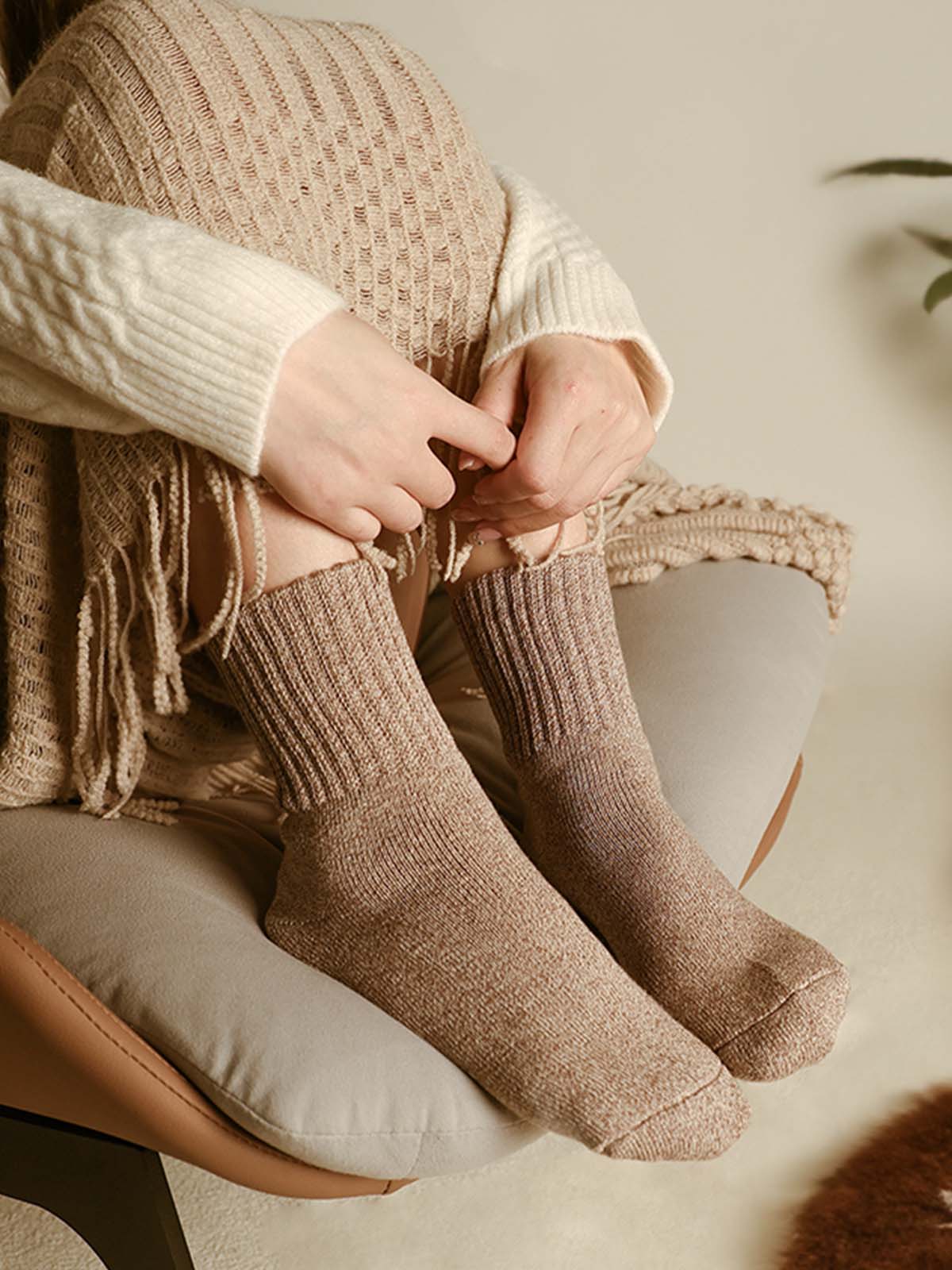
The DT10 includes several practical features:
- Full terry cushioning for added comfort and warmth
- A double-layer high cuff for a secure and stable fit
- Reinforced heel and toe areas for improved durability
- A balanced material blend of 43% acrylic, 42% combed cotton, 10% polyester, and 5% spandex
These socks are designed for everyday use during fall and winter. They may suit women who want more coverage than ankle socks, cushioning for daily comfort, and a secure cuff for casual wear with boots or while relaxing at home.
How Do They Compare With Basic Everyday Socks?
When comparing winter socks, consider the features that matter most for your routine. Lightweight everyday socks may feel less bulky, but they may not offer the same cushioning as a thermal design. Specialized socks may include features for particular activities, while the DT10 is positioned for casual, everyday fall and winter wear.
The Closemate DT10 may be a suitable option for shoppers who value:
- A cushioned feel
- Above-ankle coverage
- A stable cuff
- Reinforced heel and toe areas
- A soft, flexible material blend for everyday use
The right choice depends on your footwear, climate, preferred thickness, and intended activity.
Frequently Asked Questions About Crew Socks
Crew socks can be suitable for winter when they offer enough coverage, cushioning, and a material blend designed for comfortable cold-weather wear. The thickness should also fit properly inside your shoes.
Yes. Ankle socks usually stop at or just below the ankle bone, while crew socks extend above the ankle toward the lower or mid-calf area.
Yes. Crew socks can be worn with casual boots, especially when the cuff stays in place and the sock thickness fits comfortably inside the footwear.
A blend that includes acrylic, cotton, polyester, and spandex can offer a practical balance of warmth, softness, durability, and stretch. The best choice also depends on the sock’s thickness and cushioning.
Winter socks should fit snugly without squeezing your feet. Avoid bunching around the heel or ankle, and make sure your toes still have enough room to move comfortably.
Not necessarily. Thick crew socks may provide more cushioning, but if they make your shoes too tight, they can become uncomfortable. A good fit is just as important as thickness when choosing winter socks.
Whether you prefer casual boots, sneakers, or comfortable homewear, crew socks can provide a useful balance of coverage, comfort, and everyday style. Choose a pair with the right material, cushioning, and fit for your footwear and seasonal needs.